Conditions
Skin cancer and moles: skin checks and Mohs surgery in Monterrey
Skin cancer is the most common cancer, and also one of the most curable when detected early. A dermatological check of your moles and spots can make all the difference.
Every treatment is prescribed after a medical assessment.
Subspecialty
Dr. Cristina Cortés completed subspecialty training in Dermatologic and Mohs Surgery at the “Dr. José Eleuterio González” University Hospital (UANL).
The most common types
Basal cell carcinoma
The most common. A reddish, slow-growing lesion on the face and sun-exposed skin; it can ulcerate and deform the area. It usually causes no discomfort.
Squamous cell carcinoma
It can arise from precancerous sun lesions (actinic keratoses) or from some HPV warts, and it can spread to other organs.
Melanoma
It originates in moles or pigment cells, and includes lentigo maligna melanoma. It is the most aggressive, and early diagnosis is key.
Warning signs in a mole
- Several colors
- Irregular borders
- Growth in recent months
- A dark band on a nail that grows
- A lesion that bleeds or doesn't heal
Who should get checked?
Get a skin check if you have had a lot of sun exposure over your life, have a family history of skin cancer, have fair skin or have a mole that is changing.
How Dr. Cortés treats it
Check and diagnosis
Examination of moles and lesions with a dermatoscope and, if needed, a biopsy for microscopic study.
Surgery
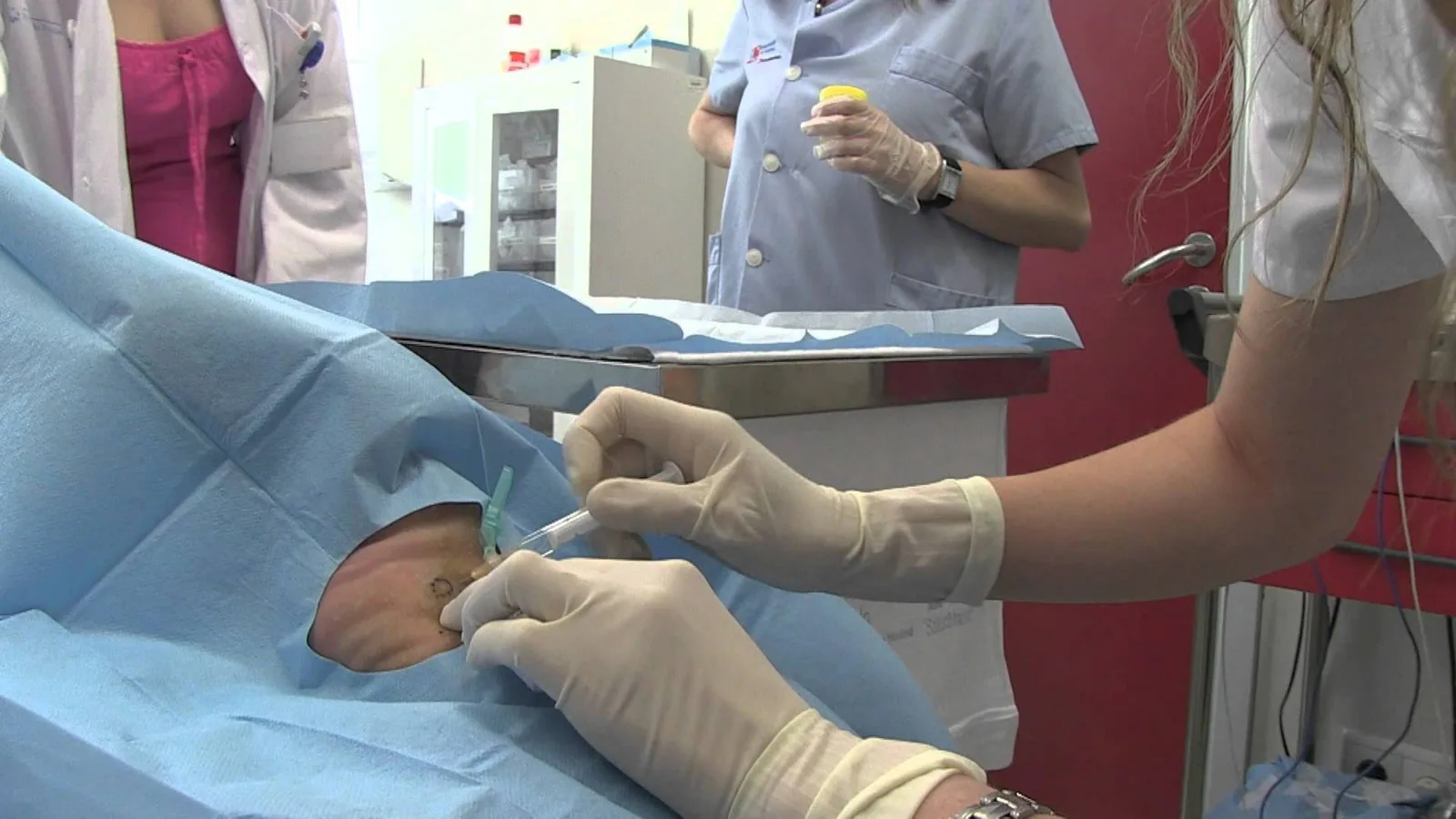
Complete removal of the lesion under local anesthesia, preserving it for analysis. It is the ideal method for suspicious moles.
Mohs surgery
A highly specialized technique for skin tumors, especially on areas such as the nose and face: the tumor is removed layer by layer, checking the margins under the microscope and preserving as much healthy skin as possible.
Precancerous lesions
Treatment of actinic keratoses with cryosurgery, topical treatments or photodynamic therapy.
The best prevention
SPF 30+ sunscreen every day, shade and long sleeves during the peak sun hours, and regular skin checks.
Frequently asked questions
What patients ask us most about skin cancer
How do I know if a mole is dangerous?
A mole should be checked if it is asymmetrical, has irregular borders or several colors, is larger than 6 mm, changes in size or shape, itches or bleeds. If you notice any change, the best option is a check with a dermatoscope.
How often should I have my moles checked?
People with many moles, fair skin, a family history of skin cancer or a lot of sun exposure benefit from a yearly check. Between visits, a monthly self-exam is a good idea.
Can skin cancer be cured?
The vast majority of skin cancers are cured when detected and treated early. That is why early checks are so important.
Does removing a mole leave a scar?
All surgery leaves a scar, but with the right technique it is usually thin and discreet. The doctor plans the procedure to achieve the best possible cosmetic result.
What is Mohs surgery?
It is a technique that removes the tumor in layers and examines them under the microscope during the procedure, until no tumor remains. This preserves as much healthy skin as possible, and it is especially useful on the face.