Conditions
Skin and nail fungus: treatment in San Pedro and Monterrey
Fungal infections of the feet and nails are very common and contagious. Not every yellow nail is a fungal infection: the right diagnosis avoids months of treatments that don't work.
Every treatment is prescribed after a medical assessment.
Where they appear
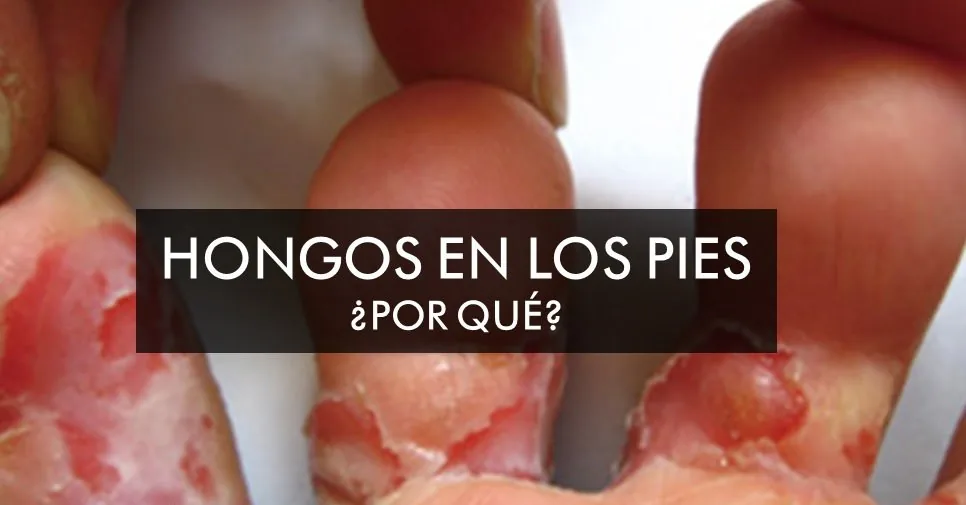
Athlete's foot
Flaking between the toes, red and peeling skin, sometimes painful and with a bad odor.
Nails (onychomycosis)
Yellowish, thickened nails that crumble and become deformed. It can affect one or all ten toenails and usually progresses over time.
Groin and skin folds
Favored by moisture, heat and tight clothing.
Why do they appear?
Fungi live in the outermost layer of the skin. Heat, moisture and keeping your feet enclosed in shoes all day create the ideal environment. They spread by sharing footwear or walking barefoot in gyms, pools or at home.
Not everything is fungus
Yellow nails can also be caused by nail polish, friction from shoes, venous insufficiency or diseases such as psoriasis or lichen planus, which, if left untreated, can lead to loss of the nail. That is why it is important to confirm the diagnosis.
How Dr. Cortés treats it
Diagnosis
Examination, medical history and a direct exam: a sample of nail or skin scale is taken and viewed under the microscope.
Treatment
Topical and, depending on the case, oral medication for a set period that must be completed.
Ingrown toenail with fungus
When both are present, the fungal infection is treated first and then the ingrown toenail.
Prevention
- Foot powder before putting on shoes
- Cotton socks
- Dry well between the toes
- Don't share footwear
- Don't walk barefoot in gyms and pools
Frequently asked questions
What patients ask us most about fungal infections
Why do I get foot fungus?
Fungi thrive in moisture and heat: sweating, closed shoes, not drying well between the toes and walking barefoot in public showers or pools. Diabetes and some circulation problems also play a role.
Are yellow nails always caused by fungus?
No. A yellow, thick or brittle nail can be due to fungus, but also to psoriasis, repeated trauma or nail polish. That is why it is worth confirming the diagnosis before starting a long treatment.
How long does it take to cure nail fungus?
It is a long treatment, lasting several months, because the healthy nail has to grow out and replace the affected one. Toenails grow more slowly than fingernails.
Are fungal infections contagious?
Yes. They can spread on damp floors or by sharing towels or shoes, and they can move from the feet to the nails or other parts of the body.
How can I prevent them from coming back?
Dry your feet and between your toes well, change socks daily, rotate your shoes, wear sandals in public showers and don't share towels or nail clippers.