Conditions
Atopic, seborrheic and contact dermatitis: treatment in Monterrey
“Dermatitis” means inflammation of the skin, but there are several types with different causes and treatments. Picking creams at random usually makes it worse: the first step is to know which type it is.
Every treatment is prescribed after a medical assessment.
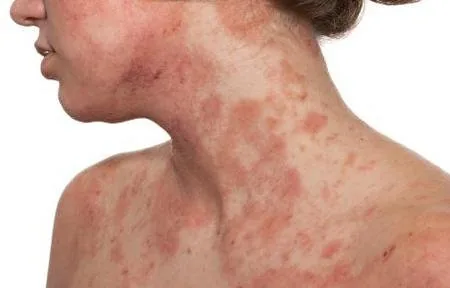
The most common types
Atopic dermatitis
A genetic condition: the skin lacks its natural moisturizing factors and becomes very dry, with intense itching, especially on the neck, face and skin folds. Scratching can damage the skin and lead to infection.
Seborrheic dermatitis
“Greasy” flaking and redness around the nose, eyebrows and ears, sometimes on the chest and scalp. Sebum becomes irritating and yeast increases. It gets worse in winter.
Contact dermatitis
Irritation or allergy caused by substances that touch the skin: detergents, acetone, hair removal creams, cosmetics.
How Dr. Cortés treats it
Diagnosis
Identifying the type of dermatitis and its severity, and ruling out infections.
Medical treatment
Anti-inflammatory creams —such as cortisone, at the right strength and for the right length of time— and specific treatments depending on the type, for example antifungals in seborrheic dermatitis.
Skin care
Frequent moisturizing in atopic dermatitis, acidic-pH cleansers in seborrheic dermatitis, and avoiding the irritant in contact dermatitis.
Used under supervision and intermittently, cortisone creams are safe and often the best treatment. What causes harm is self-medicating or using them unsupervised for months.
General advice
- Don't scrub the skin
- Lukewarm water, not hot
- Pat dry
- Avoid synthetic fabrics
- No home remedies
- Don't pick creams at random
Frequently asked questions
What patients ask us most about dermatitis
Why is the skin around my nose peeling?
The most common cause is seborrheic dermatitis, which causes redness and flaking around the nose, on the eyebrows, behind the ears and on the scalp. It can also be due to dryness, contact dermatitis or, less often, rosacea or a fungal infection.
Is dermatitis contagious?
No. Atopic, seborrheic and contact dermatitis are not contagious.
Can dermatitis be cured?
Atopic and seborrheic dermatitis are chronic: they have calm periods and flare-ups. With the right treatment and care they can be controlled very well. Contact dermatitis improves once the trigger is identified and avoided.
Can I use cortisone creams on my own?
It is not recommended. Used without supervision, especially on the face, they can thin the skin, cause bumps or make things worse when stopped. They should be prescribed by a doctor, at the right strength and for the right length of time.
What makes dermatitis worse?
Stress, cold and dry weather, very hot showers, harsh soaps, fragrances and, in some cases, certain fabrics or cosmetic products.